Outdoor skills Division
Outdoor skills Workshops
Forged by service. Dedicated to the outdoors.
Our workshops combine real-world field experience with wildlife biology to build confident, capable outdoorsmen.
-
Duration: 2–4 Hours (customizable)
Location: Field-based (public or private land, details provided upon booking)
Investment: Starting at $125 per session
Division: Guiding & OutfittersSessions are tailored to your goals, experience level, and target species within the scouting, habitat, wildlife sign, and outdoor field skills described below. Standalone firearm or archery lessons and marksmanship training are not offered.
Overview
These private, hands-on field sessions are designed for individuals looking to build real-world hunting and scouting skills in a one-on-one setting.
You may be trying to locate animals, better understand habitat, or learn how to read sign. You may also want to improve your decision-making in the field. Each session is tailored to your needs.
The focus is not on giving away spots. The goal is to help you understand why animals use an area. You will learn how to identify that on your own and apply it moving forward.
What Participants Will Be Doing
Participants will work through core hunting and scouting concepts in a real-world setting, including:
• Identifying habitat features that attract and hold wildlife
• Locating and interpreting tracks, sign, and movement patterns
• Understanding how animals use terrain, cover, and pressure
• Evaluating access routes and entry and exit strategy
• Breaking down new areas and building a plan from scratch
• Discussing species-specific behavior (deer, turkey, and other game)
• Developing confidence in independent scouting and decision-makingAll instruction is hands-on and conducted in real hunting environments.
Who This Is For
This offering is ideal for:
• New hunters looking to build a strong foundation
• Hunters struggling to consistently find or stay on animals
• Individuals wanting to improve their understanding of habitat and sign
• Anyone looking for personalized, in-the-field instructionSessions are adjusted to meet you where you are, regardless of experience level.
-
Duration: 4 Hours
Location: Field-based (public or private land, details provided upon registration)
Investment: $100 per person
Division: Outdoors SkillsSmaller private group sessions can be arranged upon request. Pricing may vary depending on group size.
Overview
This hands-on field workshop is designed to teach hunters how to identify and interpret whitetail deer sign and understand how deer are using the landscape.
Participants will move through real terrain while learning how habitat, pressure, and seasonal factors influence deer movement.
The focus of this course is practical application, helping participants build confidence reading sign and making informed decisions in the field.
What Participants Will Be Doing
Participants will work through real-world scenarios in the field while learning to interpret deer activity, including:
• Identifying common types of deer sign
• Distinguishing fresh sign from older activity
• Understanding how deer use bedding areas and security cover
• Recognizing travel routes and transition areas
• Observing how habitat features influence movement
• Discussing how pressure and conditions affect deer behaviorThroughout the workshop, we will focus on connecting what is seen on the ground to how deer are using the area.
Who This Is For
This course is ideal for hunters looking to improve their understanding of deer behavior, build confidence on public or private land, and make better decisions based on real-world sign.
-
Duration: 3–4 Hours
Location: Public land meeting site (details provided upon registration)
Investment: $100 per person
Division: Outdoors SkillsSmaller private group sessions can be arranged upon request. Pricing may vary depending on group size.
Overview
This hands-on field workshop is designed to help hunters locate and interpret turkey sign prior to the season and develop effective setup strategies. Participants will meet on public land and move through real habitat while learning how wild turkeys use terrain, feeding areas, and roost sites, and how their behavior differs between spring and fall seasons.
The focus of this course is practical application. By the end of the session, participants will be able to identify active turkey areas and develop a clear plan for approaching opening day with confidence.
What Participants Will Be Doing
Participants will move through a variety of habitat types while learning how to identify and interpret turkey activity on the landscape, including:
• Recognizing common turkey sign such as scratching, droppings, feathers, and tracks
• Understanding how turkeys use terrain, ridges, fields, and timber edges
• Locating potential roosting areas and identifying preferred roost habitat
• Identifying travel routes between roosting and feeding areas
• Discussing how pressure, weather, and hunting activity influence turkey movement
• Evaluating potential setup locations and approach strategies for spring huntsThroughout the workshop we will discuss how these observations translate into practical decisions for scouting, calling locations, and positioning during a hunt.
Toward the end of the session, participants will apply what they’ve learned by identifying turkey sign and explaining how they would approach hunting the area.
Who This Is For
This course is ideal for new and intermediate turkey hunters who want to better understand bird movement, reduce guesswork, and approach the spring season with greater confidence.
-
Reading Game Sign & Advanced Scouting Strategy Workshop
Duration: 4 Hours
Location: Public land meeting site (details provided upon registration)
Investment: $125 per person
Division: Outdoors SkillsSmaller private group sessions can be arranged upon request. Pricing may vary depending on group size.
Overview
This advanced workshop combines digital scouting with in-field verification to help hunters move beyond guesswork and develop data-driven strategies. Participants will learn how to use mapping tools alongside real-world sign interpretation to identify high-probability deer movement areas before and during the season.
The focus of this course is connecting terrain analysis, wildlife sign, and wind strategy into a cohesive hunting plan.
What Participants Will Be Doing
Participants will learn how to combine digital scouting tools with real-world field observation to evaluate deer movement patterns, including:
• Identifying terrain features such as funnels, bedding cover, and transition zones using mapping applications
• Analyzing topographic features, habitat edges, and likely travel routes
• Predicting movement corridors before entering the field
• Verifying predictions by locating and interpreting deer sign on the landscape
• Understanding how hunting pressure and habitat influence movement patterns
• Developing wind-conscious entry, hunting, and exit strategiesThroughout the workshop we will discuss how digital tools and in-field observation work together to form a structured scouting approach.
Toward the end of the session, participants will select a location and explain how they would approach hunting the area based on terrain, sign, and wind conditions.
Who This Is For
This course is ideal for intermediate and experienced hunters who want to integrate digital scouting tools, terrain analysis, and advanced sign interpretation into a structured and strategic hunting approach.
-
Duration: 3 hours
Location: Field-based (public or private land)
Investment: $125 per personOverview:
This workshop introduces hunters to saddle hunting in a controlled, low-risk environment. The focus is on safety, system setup, and understanding when and why saddle hunting can be an effective tool in your approach.Participants will learn how to safely set up and use a saddle system, with all climbing conducted at low height (approximately 10 feet or less), while tethered and under direct supervision.
Topics Covered:
• Saddle system components and setup
• Tree selection and positioning
• Safe climbing techniques (low height, controlled environment)
• Tethering, lineman belts, and fall prevention
• Shot positioning and movement from a saddle
• When saddle hunting makes sense, and when it doesn’t -
Duration: 2–3 Hours
Location: Field-based (details provided upon registration)
Investment: $75 per participant
Division: Guiding & OutfittersOverview
This hands-on workshop is designed to introduce youth to the outdoors in a safe, engaging, and educational environment. The focus is on building foundational skills, awareness, and respect for wildlife and natural systems.
A parent or guardian must be present for all participants.
Participants will learn how to observe and interpret the natural world while developing confidence moving through outdoor environments.
What Participants Will Be Doing
Participants will spend time actively exploring habitat while learning:
• Basic wildlife sign identification (tracks, scat, trails)
• How animals use different types of habitat
• Safe and quiet movement through the woods
• Awareness of wind, noise, and presence
• Introduction to hunting ethics and conservation principles
• Outdoor safety fundamentalsThe workshop is interactive and designed to keep participants engaged while learning practical skills.
Who This Is For
This course is ideal for youth who are new to the outdoors or looking to build confidence and understanding in a hands-on setting, with guidance from both an instructor and parent/guardian.
Wildlife Division
Wildlife Division Workshops
Forged by service. Dedicated to the outdoors.
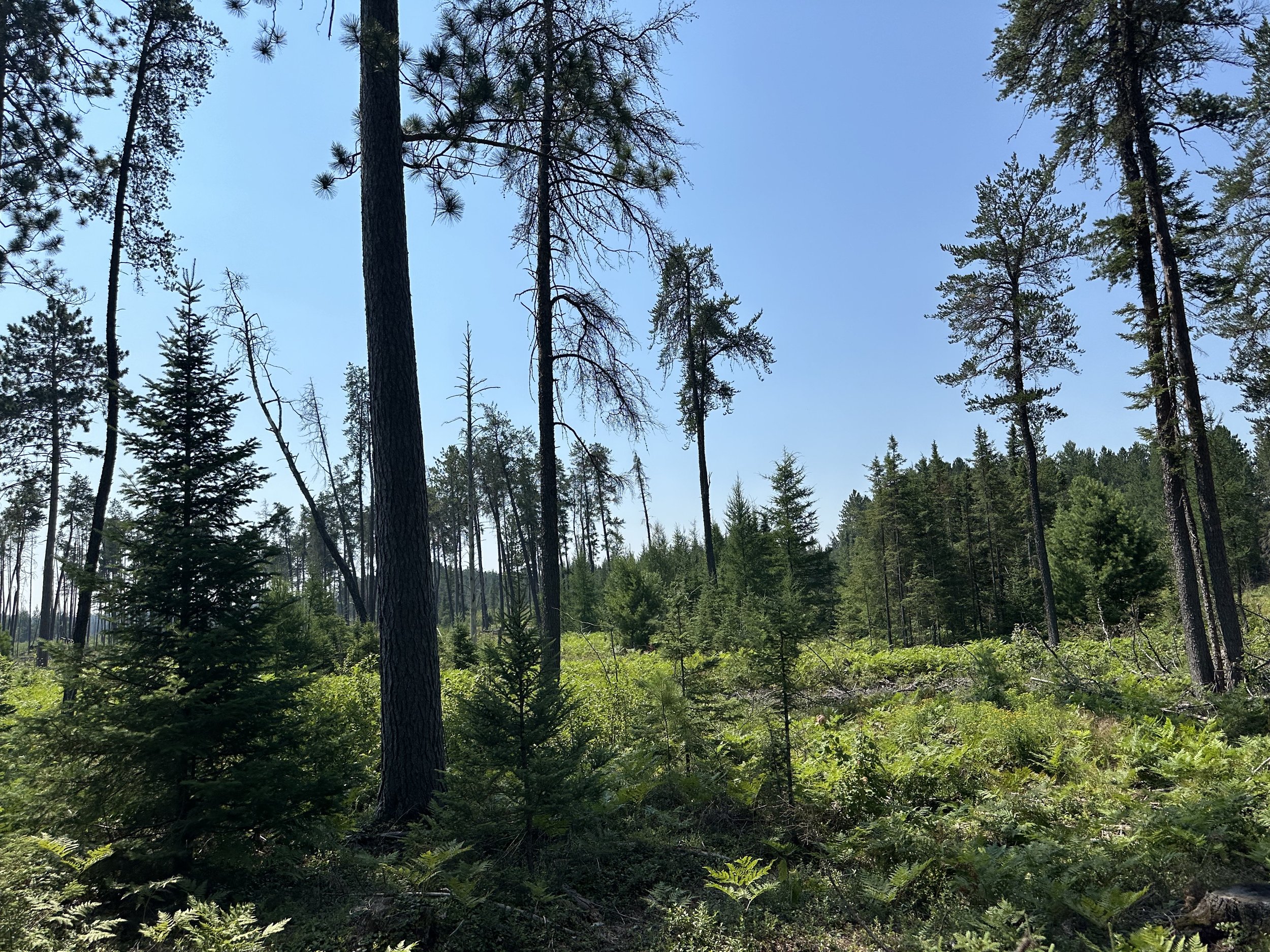
Our programs apply wildlife science and field expertise to promote responsible land stewardship and ecological understanding.
-
Duration: 4 Hours
Location: Field site with discussion component
Investment: $125 per person
Division: Wildlife ServicesSmaller private group sessions can be arranged upon request. Pricing may vary depending on group size.
Overview
This workshop introduces the foundational principles of wildlife ecology and habitat management. Participants will explore how ecosystems function, how wildlife interact with habitat, and how land can be evaluated through the lens of carrying capacity and limiting factors.
The focus of this course is understanding how habitat structure influences wildlife populations and how practical land management decisions can support healthy and balanced ecosystems.
What Participants Will Be Doing
Participants will explore ecological concepts in a field-based setting while learning how to observe and evaluate habitat conditions, including:
• Understanding the core habitat components that support wildlife populations
• Observing how vegetation structure and plant communities influence wildlife use
• Discussing carrying capacity and limiting factors within ecosystems
• Identifying different habitat stages and how they support wildlife diversity
• Evaluating edge habitat and landscape structure across the property
• Learning practical ways to assess overall habitat health and management opportunitiesThroughout the workshop we will connect ecological principles with real-world land management and conservation practices.
Toward the end of the session, participants will evaluate the site and discuss how habitat conditions influence wildlife presence and overall ecosystem function.
Who This Is For
This workshop is ideal for landowners, hunters, outdoor enthusiasts, and conservation-minded individuals who want to better understand ecological principles and how habitat management decisions influence wildlife populations.
-
Deer Ecology & Habitat Management Workshop
Duration: 4 Hours
Location: Field site
Investment: $125 per person
Division: Wildlife ServicesSmaller private group sessions can be arranged upon request. Pricing may vary depending on group size.
Overview
This workshop examines whitetail deer from a biological and ecological perspective. Participants will explore how habitat structure, forage availability, seasonal nutrition, and carrying capacity influence deer movement, population dynamics, and overall herd health.
The focus of this course is understanding the ecological drivers behind deer behavior and how habitat management decisions influence deer populations on the landscape.
What Participants Will Be Doing
Participants will explore how habitat conditions influence deer populations while learning practical methods for evaluating land and deer activity, including:
• Understanding seasonal nutritional needs and how habitat supports deer throughout the year
• Evaluating browse pressure and vegetation response on the landscape
• Observing habitat structure that supports bedding, security cover, and movement
• Discussing factors that influence fawn recruitment and herd health
• Exploring carrying capacity and limiting factors within deer populations
• Assessing habitat diversity and landscape structure across the propertyThroughout the workshop we will connect deer ecology with real-world habitat management practices and land stewardship decisions.
Toward the end of the session, participants will evaluate the site and discuss how habitat conditions influence deer presence and population dynamics.
Who This Is For
This workshop is ideal for landowners, hunters, and conservation-minded individuals who want to better understand the ecological relationship between deer populations and habitat management.
-
Duration: 4 Hours
Location: Field site
Investment: $125 per person
Division: Wildlife ServicesOverview
This workshop focuses on the ecological needs of wild turkey, including nesting habitat, brood-rearing cover, mast production, and seasonal habitat use. Participants will learn how landscape structure influences turkey distribution and reproductive success.
What Participants Will Be Doing
• Identifying quality nesting cover
• Evaluating brood habitat and insect availability
• Assessing mast-producing tree presence
• Understanding roost tree selection characteristics
• Discussing seasonal habitat shifts
• Evaluating property suitability for sustaining turkey populationsWho This Is For
Designed for landowners, conservation-minded individuals, and anyone interested in improving habitat conditions for wild turkey.
-
(Available for Schools, Youth Groups, and Community Organizations)
Duration: 60–90 Minutes (customizable)
Audience: Grades 6–12, College, Youth Organizations
Location: On-site classroom or hosted venue
Investment: Custom pricing based on group size
Division: Wildlife ServicesOverview
This educational workshop introduces students to the principles of wildlife conservation, habitat management, and the role of regulated hunting and angling in North American conservation history. Participants will explore how science, stewardship, and responsible harvest practices contribute to sustainable wildlife populations.
The goal of this program is to provide a science-based introduction to conservation while encouraging curiosity about wildlife, natural resources, and environmental stewardship.
Topics Covered
Participants will explore key concepts related to wildlife conservation and management, including:
• The North American Model of Wildlife Conservation
• The role of hunters and anglers in funding conservation efforts
• Carrying capacity and habitat limitations
• Basic principles of wildlife population management
• The importance of ethical stewardship and responsible outdoor practices
• Career pathways in wildlife biology, conservation, and natural resource managementThe presentation can be adapted to match the age group and educational level of the audience.
Who This Is For
This workshop is designed for middle school, high school, college-level classes, homeschool groups, and youth organizations interested in learning about wildlife conservation, habitat management, and careers in natural resource fields.
Register for a Workshop
Interested in participating in one of our workshops? Complete the form below and we will contact you with scheduling details and availability.
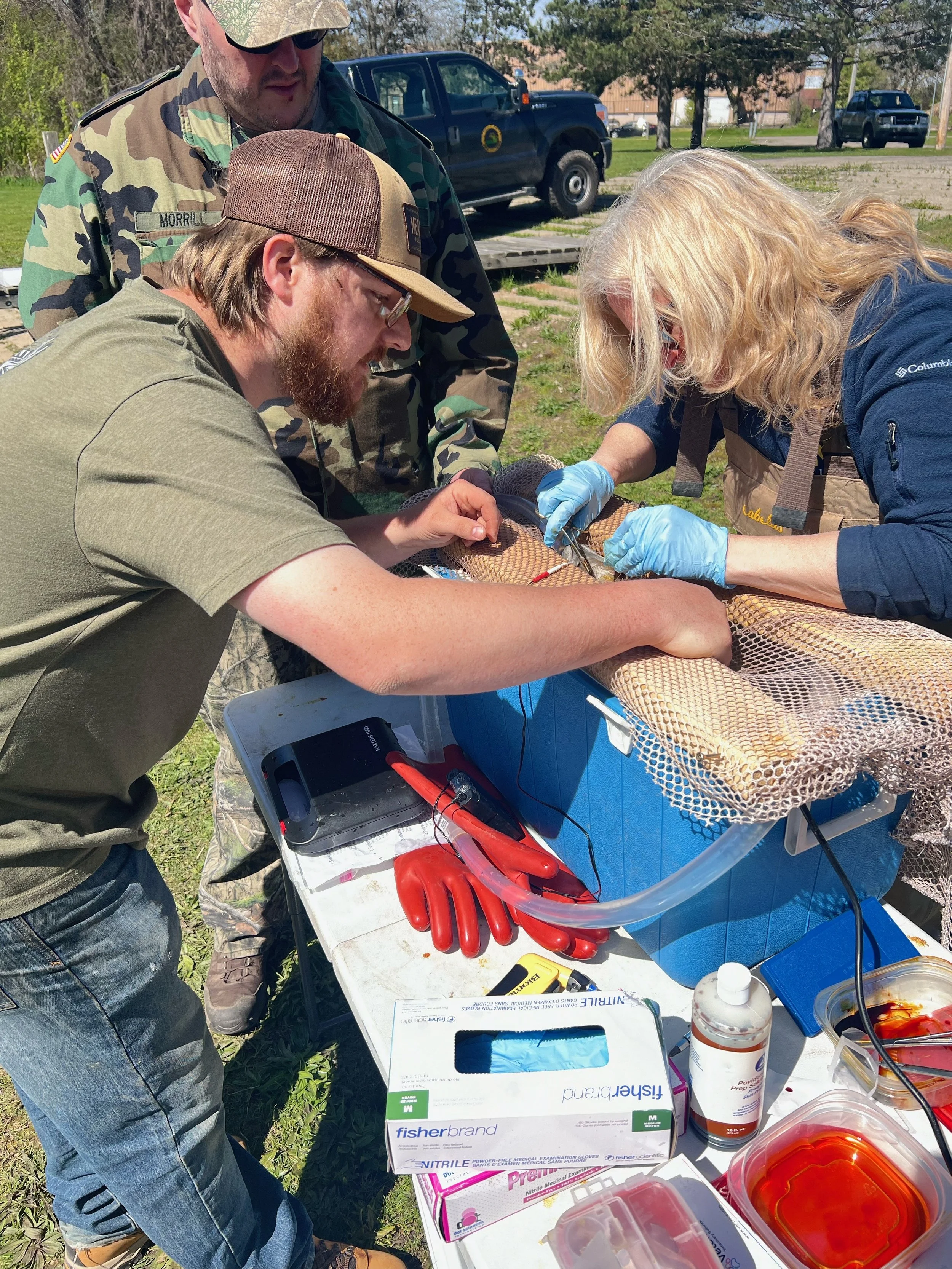
Conducting applied fisheries research in collaboration with state conservation professionals.